



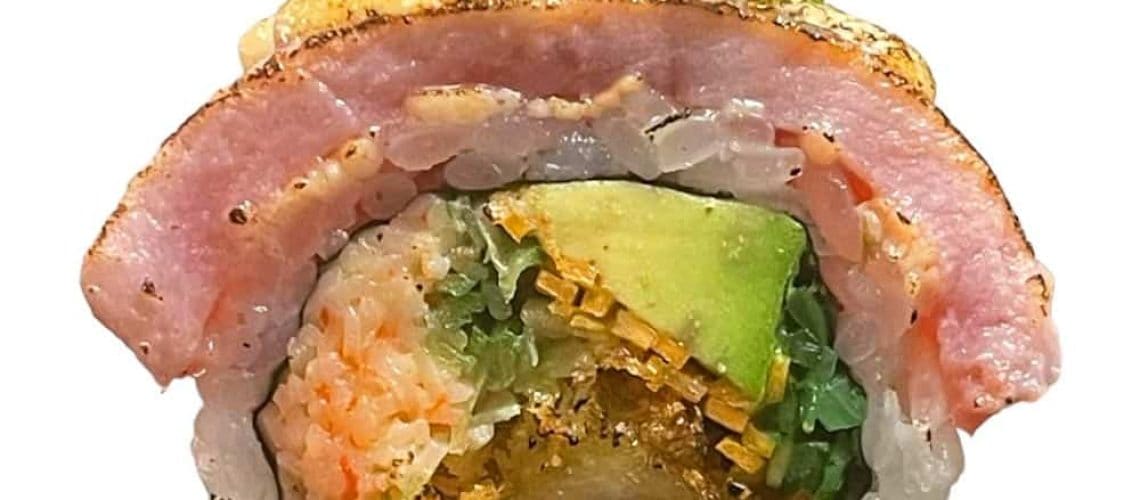
Sushi is much more than just a dish – it’s an art form that combines careful precision, quality ingredients and an understanding of taste. Whether you’ve loved sushi for a long time or are just starting to try it, it’s important to know how to recognize good sushi. There are many places in The Hague where you can get sushi, but the taste and quality can vary greatly.
1. Perfect Sushi Rice: The rice is the base of your sushi and it has to be good. There are different types of sushi rice on the market from moderate to good quality. But perhaps even more important is that the rice is cooked just right. If you cook the rice for too long, or with too much/little water, this will have a huge impact on the quality of your rice. Each type of sushi rice requires a different approach in terms of cooking time and amount of water. If you don’t get this right, you won’t get good sushi rice. The amount of rice you cook at once also has an effect on the quality of your rice.
2. Rice vinegar and mirin: the sushi rice is flavored with a combination of rice vinegar, mirin, sugar and salt. With the dosage of these ingredients you can play a lot to give your rice different flavors. Knowledge and experience teaches us what the perfect proportions are between rice, rice vinegar, mirin, sugar and salt. This is the chef’s secret.
3. Freshness of Ingredients: it seems obvious but this is not the case everywhere. The good sushi restaurants will always work with fresh ingredients, but unfortunately this is not the case at all restaurants. Fresh fish does not smell by itself, but when you smell the fish it is not fresh. Fresh fish is brought to us every morning by our supplier. At the end of the evening there is sometimes fish left. If you use this in the sushi the next day, you will lose quality and the taste will not be good. We consciously choose not to use this for sales.
Is the tamago (sweet egg) freshly made daily or does it come from the freezer via the wholesaler? You will understand that the taste differs enormously.
4. Balance of Flavors: Understand how sushi chefs play with the balance of flavors, from the salty soy sauce to the tender salmon and the sweet touch of ingredients like mango and avocado.
5. Perfect Round: How do you recognize someone who can roll sushi perfectly? Check whether the nori of a sushi roll is perfectly round. Where the nori begins, it must also end. A less perfect roll creates a figure of a snail shell in the sushi. We think this is important because it creates a thin layer of rice. After all, you want a thin layer of rice and lots of ingredients inside your roll, not the other way around. You mainly see this at the cheaper sushi restaurants. Lots of rice and little filling in the roll.
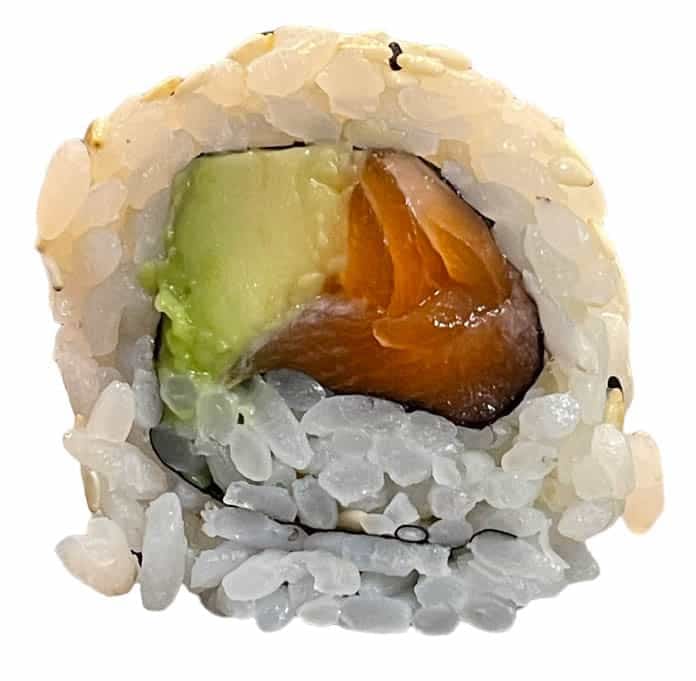
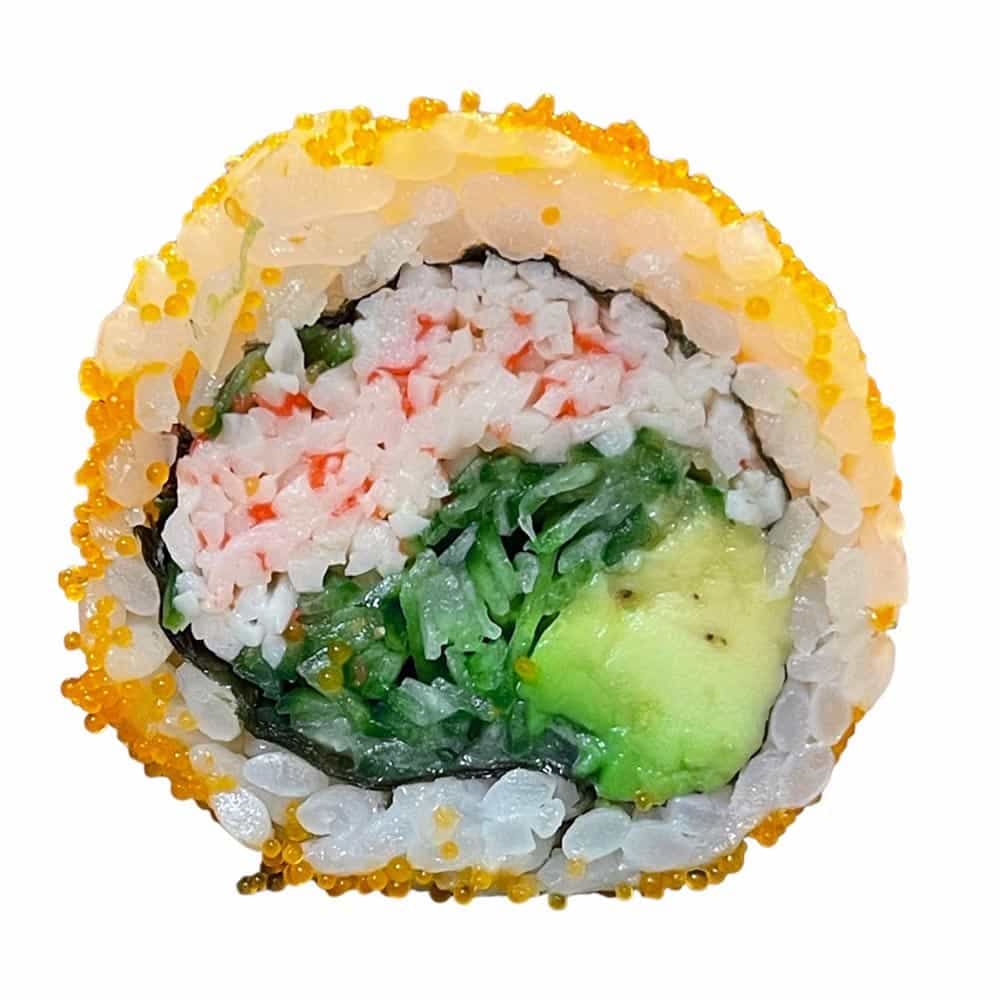
6. Crispness of ingredients: When you order sushi and the ingredients are no longer crispy, you know that the sushi is no longer fresh. For example, the sushi is already made in the afternoon for sale in the evening. Fried onions or fried shrimp are no longer crunchy.
7. Sushi falls apart: A sushi roll sticks together because of the ingredients and the rice, but this is only limited in time. The longer a sushi roll stays, the drier the ingredients become. As a result, the sushi begins to fall apart.
8. Ratio of Rice to Ingredients: Assess the ratio of sushi rice to the ingredients. At the cheaper sushi restaurants you often see that you get a lot of rice and little filling in the roll. That is not surprising, because the filling is the most expensive. Cheap sushi often saves on this.
You now have a number of tools to judge bad and good quality sushi. Fortunately, there are plenty of sushi takeaway and delivery restaurants in The Hague where you can order good quality sushi.